

For decades, the German machine tool industry has been one of the global leaders in the sector – in 2024, Germany ranked second worldwide after China. Even in these challenging times, the industry continues to invest around 3% of its turnover in research and development. By the end of 2024, the number of employees had moderately increased to 65,300.
The crisis in the automotive industry and uncertainty in the two main customer markets – the USA and China – are having a strong impact on the sector. In 2024, machine tool consumption in Europe, the primary market, fell by 18%. The two largest markets, Germany and Italy, lost 12% and 28% respectively. China stagnated, while the US market contracted by 7%.
According to Oxford Economics, German machine tool production in 2024 declined by 4% to approximately €14.8 billion. VDW experts forecast a further 10% drop in production in 2025 to €13.3 billion (Fig. 1).
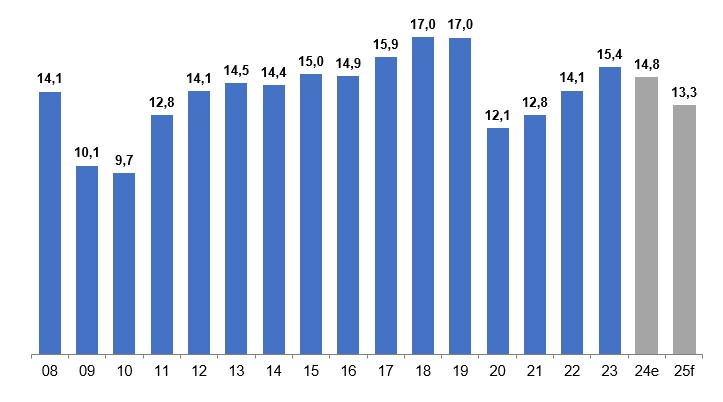
Figure 1. Machine tool production in 2008–2025 (forecast), billion euros
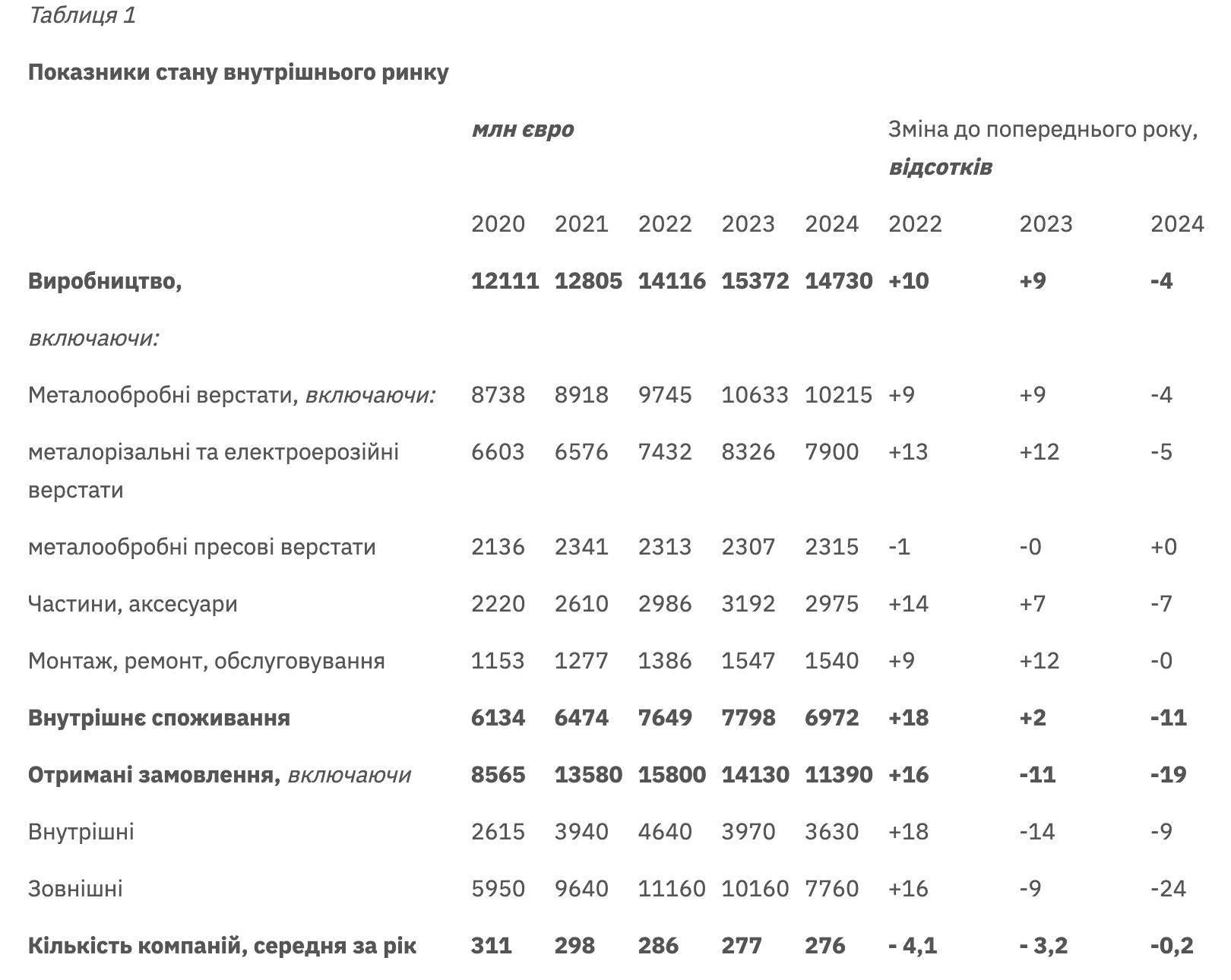
Overall, incoming orders in 2024 decreased by 19%. Domestic orders fell by 9% compared to the previous year, while foreign orders dropped by 24% (Table 1).
The largest consumers of the German machine tool industry are mechanical engineering and the automotive sector – 30.1% and 27.2% respectively (Fig. 2).
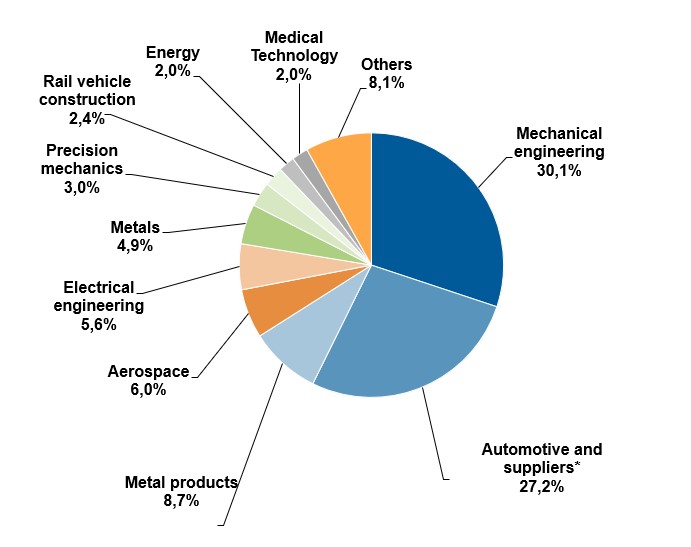
Figure 2. Customer industries of the German machine tool sector, 2024
Nearly half of Germany’s machine tool exports go to Europe. The United States ranks second, followed by China (Fig. 3).
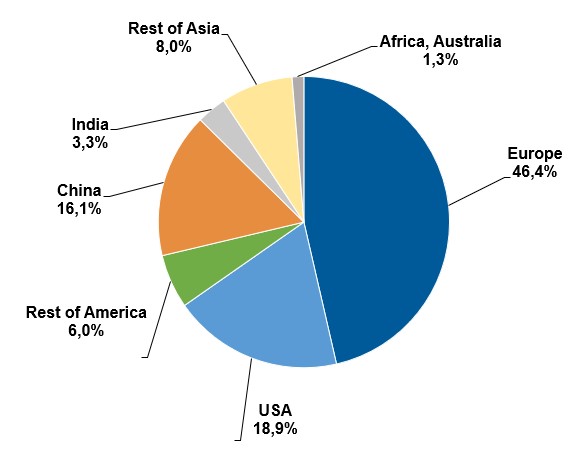
Figure 3. Regional structure of German machine tool exports, 2024
Top 10 partner countries in Germany’s foreign trade in machine tools
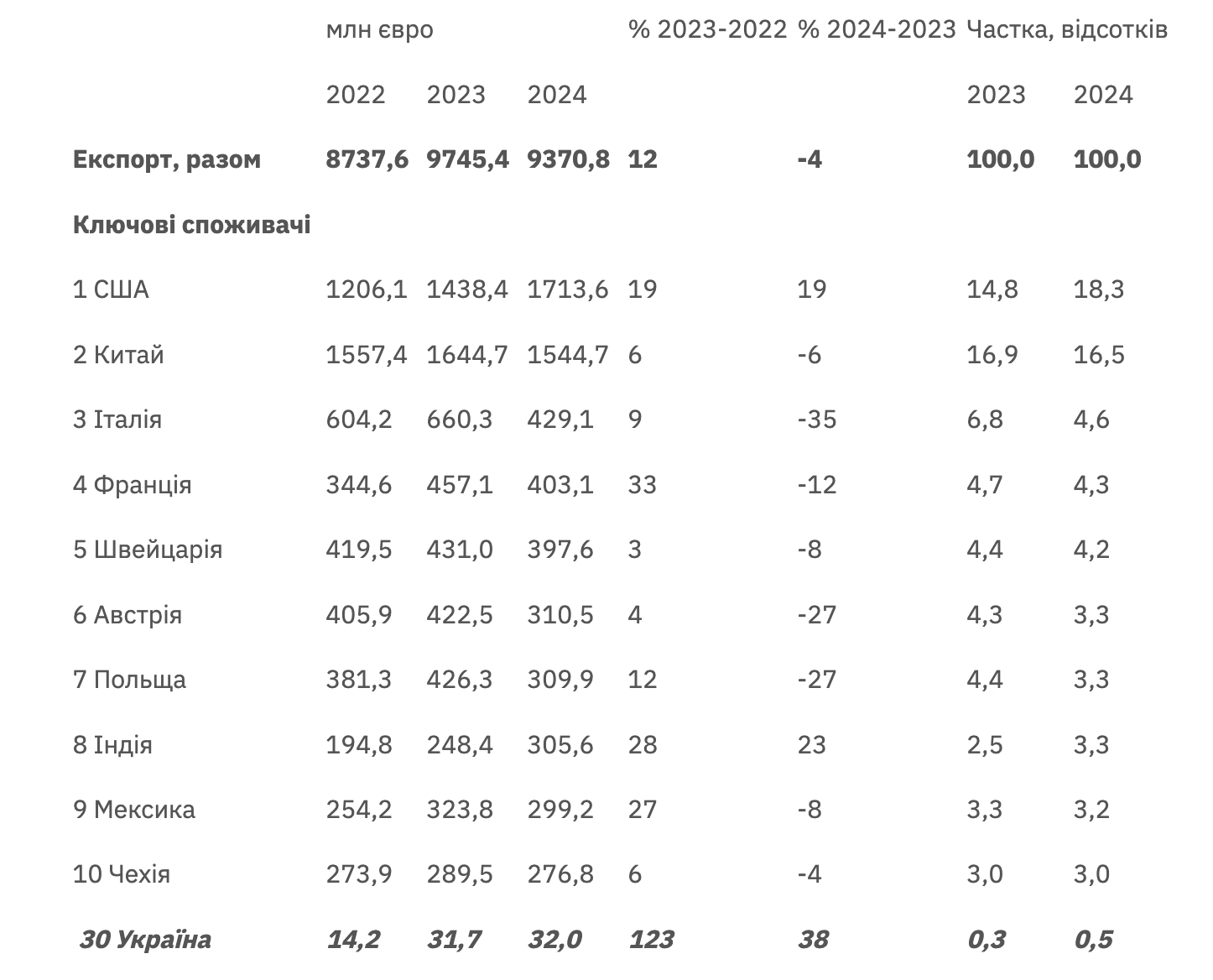
Key suppliers
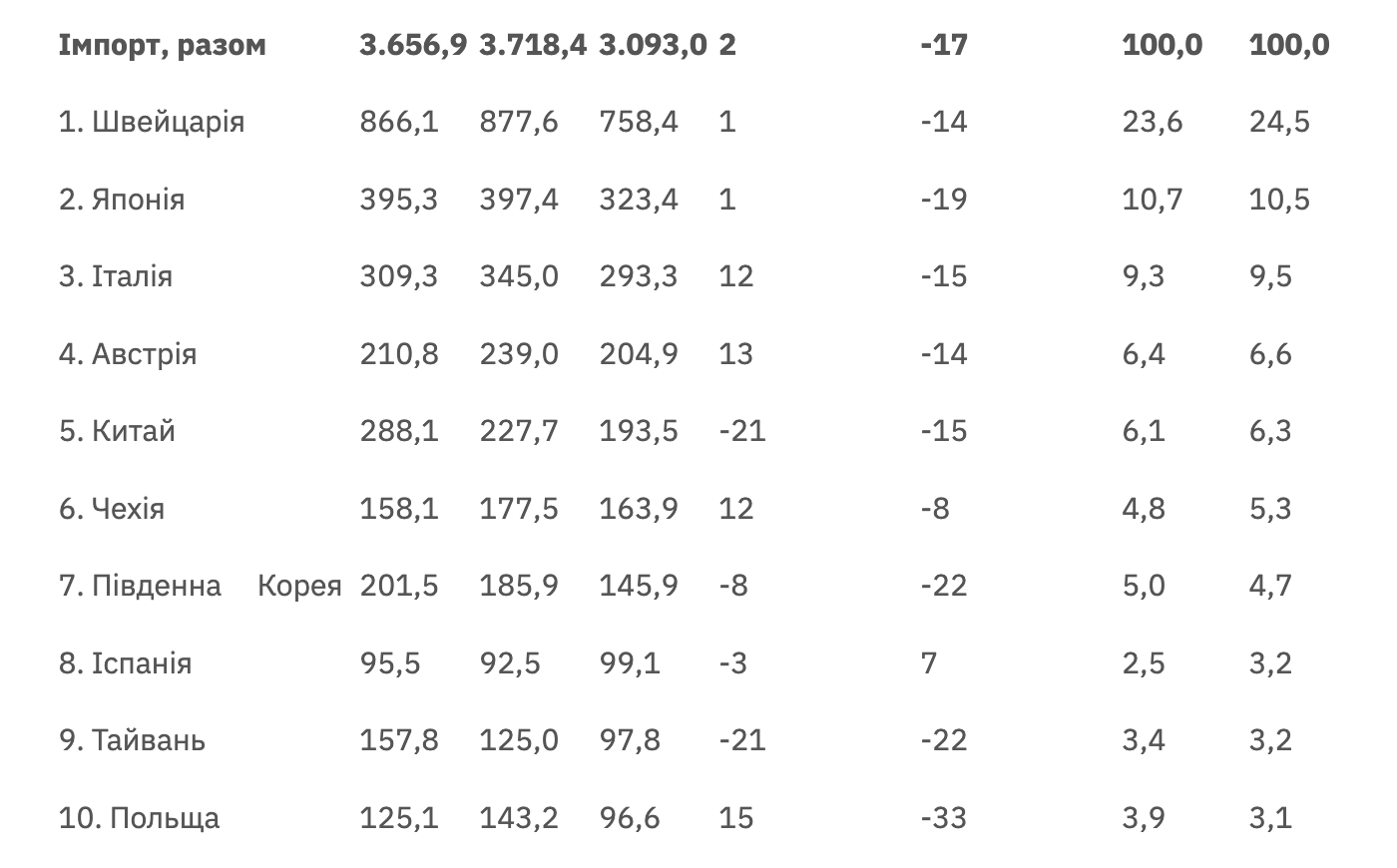
At the VDW annual press conference, the association’s chairman emphasized the importance of stronger government support from the new German government, as competition is intensifying even in a weak-demand environment. German machine tool manufacturers are now forced to open more and more production facilities abroad, as proximity to the end customer is becoming a key competitive advantage.
The growth of foreign production sites in Europe, China, and the USA has been disproportionately high in recent years. According to VDW statistics, in 2023 machines worth almost €3.8 billion were manufactured abroad – an increase of 14%. Domestic production in Germany grew by 9% in 2023. Around 60 international manufacturers have production capacities in China alone. The most important foreign producer in China is Japan with 23 companies, followed by Germany with 12 companies represented in the country.
At the same time, the number of competitive Chinese manufacturers is also growing. As of 2024, VDW has identified 31 relevant Chinese competitors. Particularly in laser technology – which now accounts for nearly one-fifth of total machine tool production in China – numerous Chinese manufacturers are competing with international players. Yawei, Jier, Han's Laser, Haozhi, and Bodor were already considered significant competitors two years ago. New additions include Yangli Group, World Precise Machinery, and JPT Optoelectronics from Shenzhen.
China’s economic situation noticeably deteriorated already in 2023, and 2024 brought no positive change. The general reluctance of Chinese customers to invest is putting pressure on the global machine tool industry. For German manufacturers, the situation is further complicated by the lack of export licenses, increasing local-content requirements, and increasingly strong and flexible local competition. Orders from Chinese customers to German machine tool manufacturers fell by more than 40% in the first three quarters of 2024. In contrast, production by German companies in China rose significantly in 2023 and is expected to at least match the previous year’s level in 2024.
Positive trends are expected following the Chinese government’s announcement of funding programs, in particular the Action Plan to Promote Large-Scale Equipment Renewal and Consumer Goods Trade-In, which could bring new orders to German companies.
Interest in German-made machine tools in Ukraine is very high, as they offer significantly higher quality, safety, and durability compared to Chinese and Korean equivalents. The main limiting factor for expanding supplies to Ukraine remains the considerably higher cost. Therefore, a key task for the Ukrainian government and the Federation of Employers of Ukraine (FRU) is to initiate and implement mechanisms to reduce the cost of German machine tools for Ukrainian enterprises. This requires practical implementation of Cabinet of Ministers Resolution No. 924 of 5 July 2024 “On Certain Issues of Implementing the Experimental Project on Receiving Critically Important Industrial Equipment (Means of Production) as Humanitarian Aid”, as well as broader use of export credit agency mechanisms and donor funds for modernizing Ukraine’s industrial sector. The Federation of Employers of Ukraine is actively working on this within the framework of the Industrial Ramstein project. In implementing this initiative, we are supported by our reliable long-term partners – the ILO within the Belgian Government Project “ILO Support to Ukraine: Preventing Labour Exploitation and Trafficking in Persons, Supporting Entrepreneurship Development and Institutional Support to Social Partners”.